Taking place in Toronto, ON, from October 29 to November 1, 2026, our annual knowledge exchange and capacity-building conference on 2S/LGBTQIA+ health brings together leading voices from across our communities to share knowledge, foster collaboration, and inspire action.
Summit 2026’s plenary sessions include 2S/LGBTQIA+ leaders working at the intersection of health, equity, and community. Combining professional and lived experience, they bring critical perspectives on public health, community-based solutions, and systems transformation.
Find out more about this year’s speakers and panellists below.
KEYNOTE – Black 2SLGBTQI+ Liberation Is a Practice: Knowledge, Health, Power, and the Futures We Build
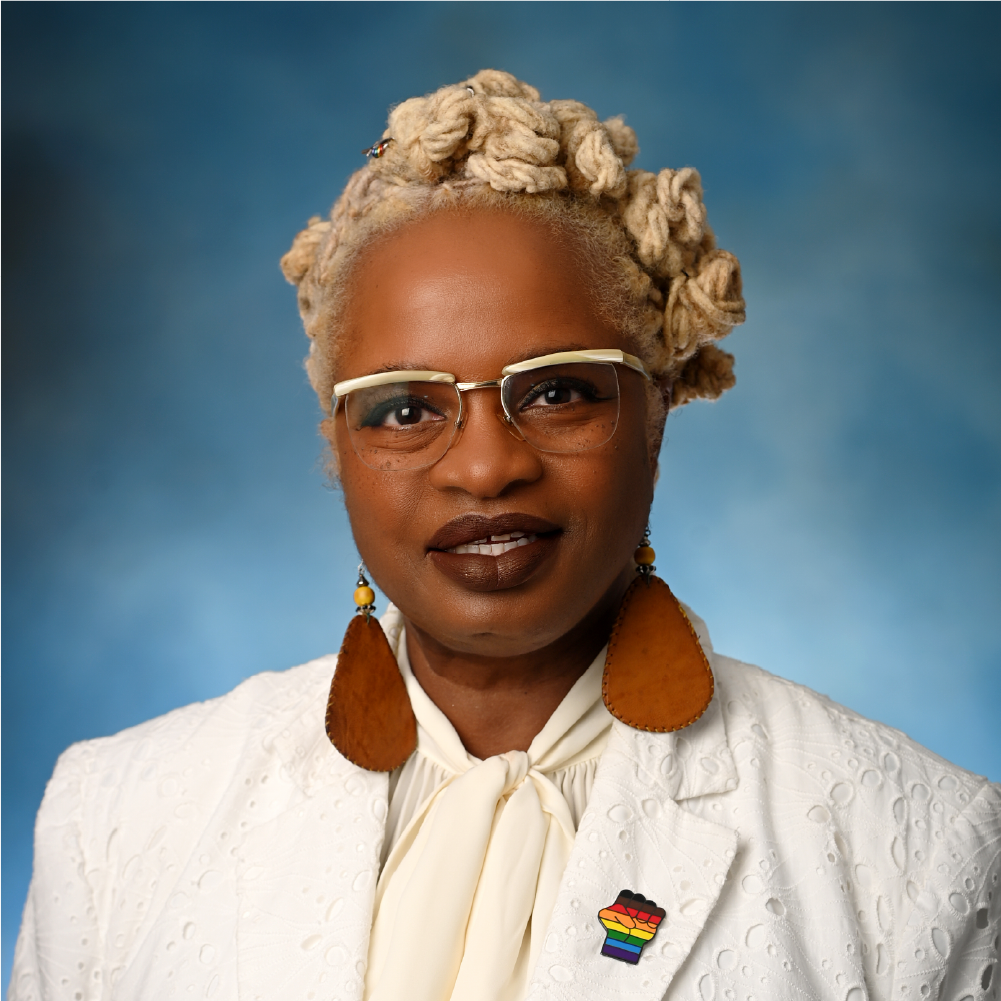 |
Dr. OmiSoore H. DrydenDr. OmiSoore H. Dryden is a Black queer femme scholar and Tier 1 Canada Research Chair (CIHR) in Black Health Studies at Dalhousie University, shaped by Toronto's Black and queer diasporic communities and activism. Grounded in Black queer feminist thought and critical race theory, her transdisciplinary research centres community knowledge co-creation, examining how blood donation policies, health governance, and data practices reproduce anti-Black (homophobic) racism. She founded Dalhousie's Black Studies Research Institute (STEMM) and co-leads the Black Health Education Collaborative. Her award-winning book, Got Blood to Give: Anti-Black Homophobia in Blood Donation, received the 2025 George Borden Writing for Change Award. |
KEYNOTE – “Are We All Seeing This? They’ll Never Get Us”
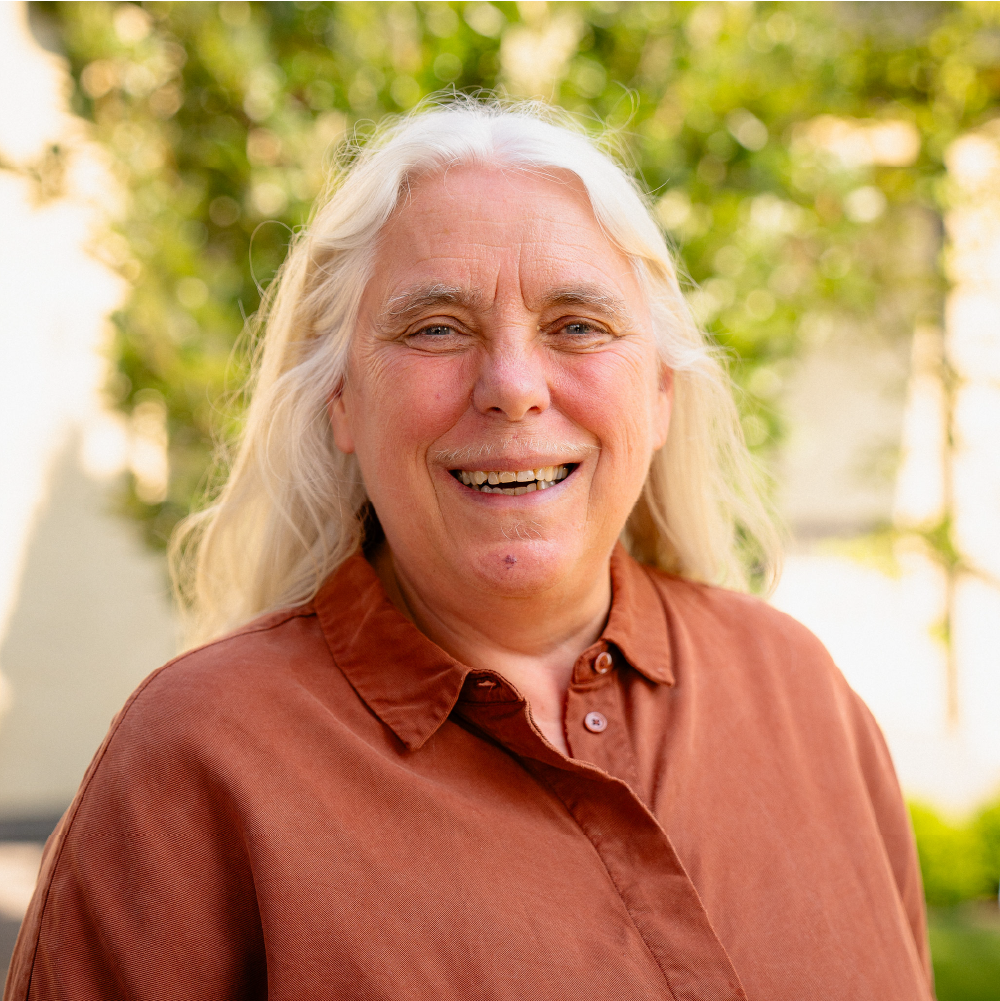 |
Manon MasséManon Massé has served as the Member of the National Assembly of Quebec (MNA) for Sainte-Marie–Saint-Jacques since 2014 and was co-spokesperson for Québec solidaire from 2017 to 2023. A long-time advocate for social justice, she serves as the Second Opposition Group Critic for issues affecting 2S/LGBTQIA+ communities, as well as relations with First Nations and Inuit communities. She has become a leading voice on social justice, community issues, and human rights, notably contributing to the historic recognition of Montréal's Gay Village as a place of emancipation for 2S/LGBTQIA+ communities. Her career has been defined by leadership, advocacy, and a steadfast commitment to the values of inclusion, justice, solidarity, and reconciliation. She will conclude her term as an MNA in October. |
PLENARY PANEL – When Systems Fail, Communities Build: Queer Harm Reduction and Collective Care
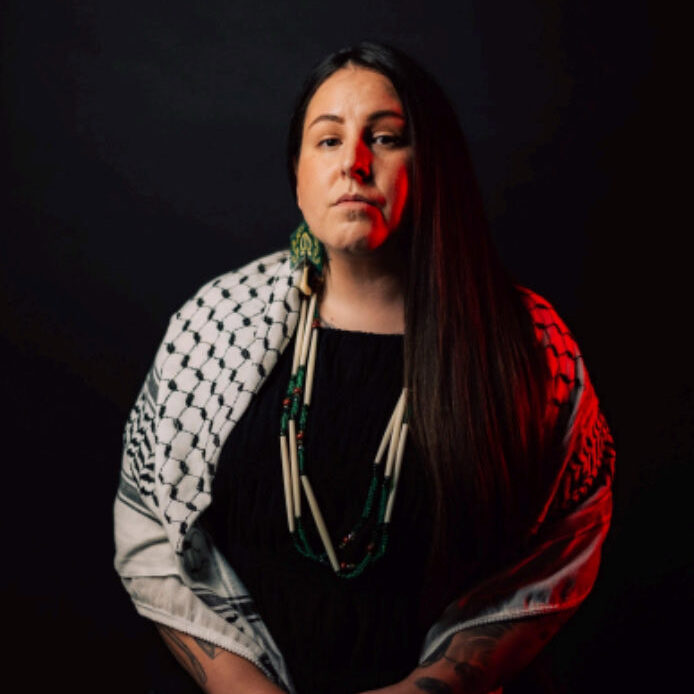 |
Mskwaasin AgnewMskwaasin Agnew (she/her) is Dene and a member of Salt River First Nation. Mskwaasin is a harm reductionist with Toronto Indigenous Harm Reduction and works at a local overdose prevention site. She is an abolitionist which serves as a foundation for her labour as an organizer. Mskwaasin fights for a Free Palestine, Land Back, housing, and people who use drugs. |
Steph MasseySteph Massey (they/them) started volunteering in harm reduction a very long time ago at a 2-for-1 needle exchange in Victoria, B.C. Over the years, they’ve participated in community-based sexual health education, food security, and community organizing around food sovereignty, poverty, and harm reduction. For more than twenty years, they’ve done paid work around the interlocking issues of HIV, harm reduction, homelessness, substance use, sex work, and incarceration with a focus on queer and trans communities. Steph also has an interest in supporting employment for folks with lived experience and challenging the growing credentialism in harm reduction. Steph currently works at The 519 in Toronto as Manager, Peer and Community Programs. They are open to seeing your unsolicited dog pics. |
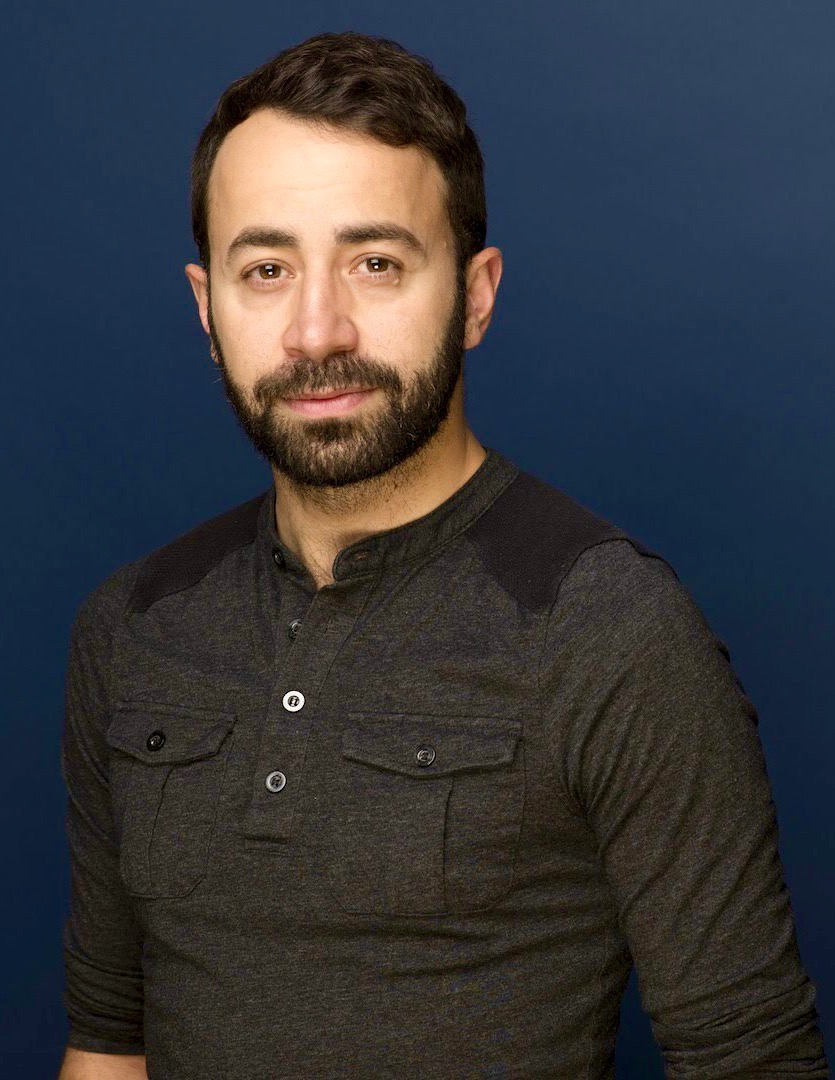 |
Ahmed MuslimaniAhmed Muslimani (they/them) is a community health worker whose practice is shaped by their experiences as a queer Lebanese immigrant and a person living with HIV. As Director of Community Programs at MAX Ottawa, they lead community-based health and wellness programming for 2S/LGBTQIA+ people in the National Capital Region, with a particular focus on harm reduction, HIV and sexual health, and peer-led approaches to care. Ahmed's work in harm reduction includes safer partying initiatives, nightlife outreach, and programming that responds to the realities of substance use within queer communities, including PnP/Chemsex. They also bring years of experience working alongside LGBTQ+ refugees and newcomers. Ahmed serves on the Board of Directors of the Ontario HIV Treatment Network and sits on the Prevention Subgroup of its Methamphetamine Think Tank. |
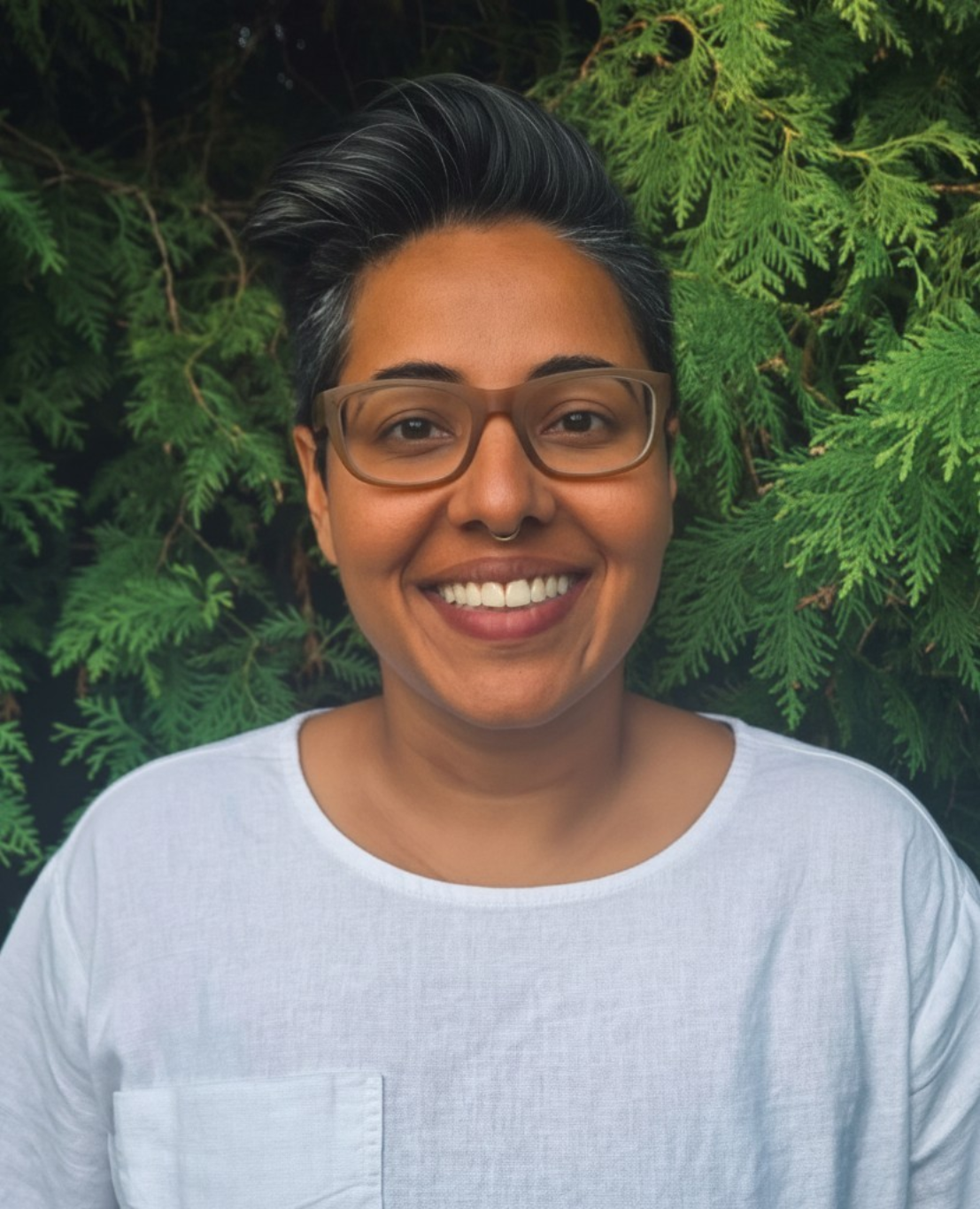 |
Nanky RaiNanky Rai (she/they) is a migrant settler from India-occupied Kashmir who is formally trained in public health and family medicine. She is committed to providing anti-oppressive health care that is rooted in health justice, harm reduction, and abolition. They are a member of the Toronto Street Medics and was a volunteer with the Toronto Overdose Prevention Society which ran the first (unsanctioned) Overdose Prevention Site in Ontario. |
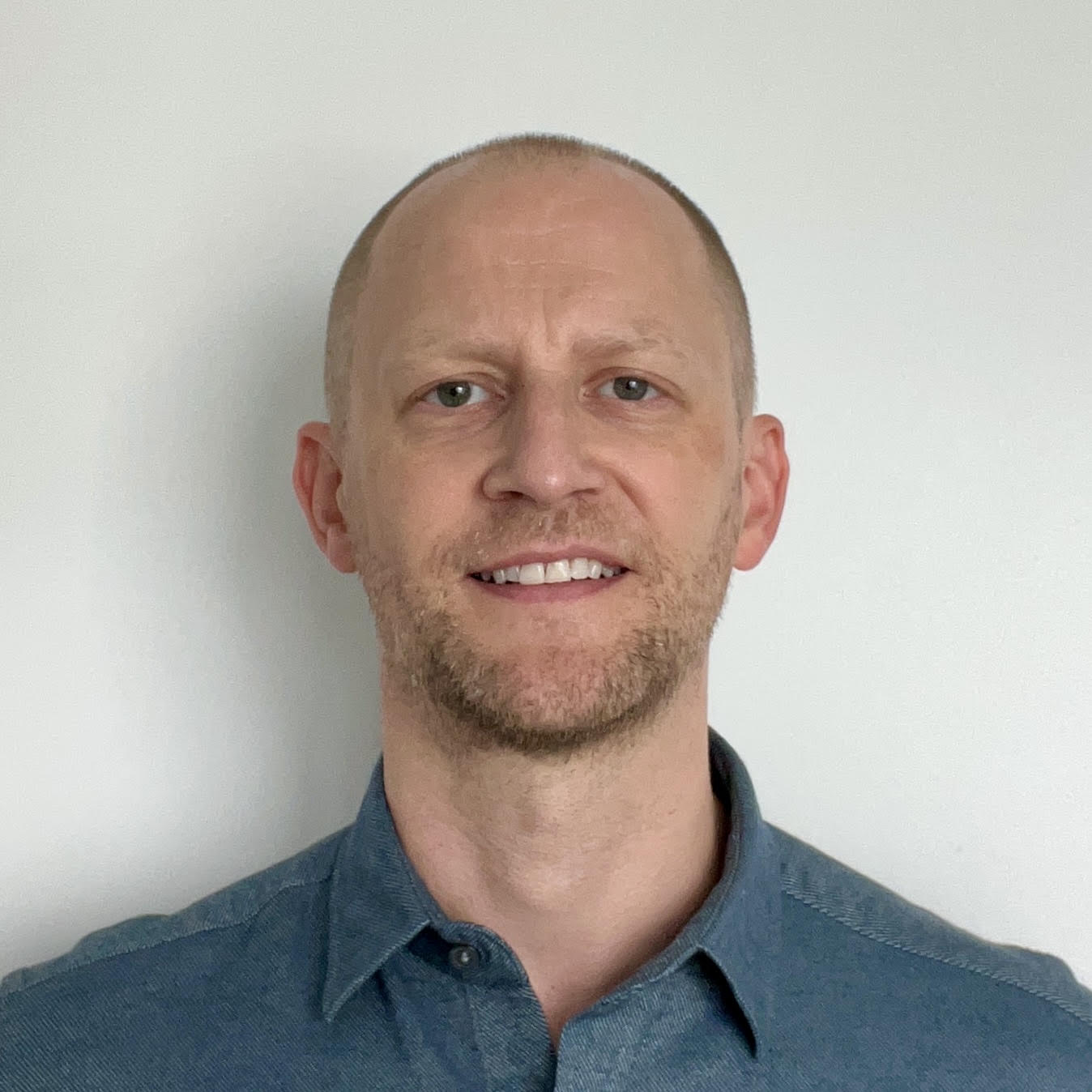 |
Nick BoyceNick Boyce is a settler living on unceded and unsurrendered Algonquin Anishinaabe territory in Ottawa, Canada. As a person who uses drugs and independent consultant, he brings more than 25 years of experience in harm reduction and drug policy, spanning frontline practice, provincial and national leadership, research, parliamentary processes, and international diplomacy. From being a co-organizer of Toronto's Moss Park overdose prevention site to sitting on the Canadian delegation to the United Nations Commission on Narcotic Drugs, Nick supports communities, governments, organizations, and researchers navigating complex drug policy challenges. |
PLENARY PANEL – Building Cancer Equity for 2S/LGBTQ+ Communities
 |
Dr. Jean-Marc BourqueDr. Jean-Marc Bourque (he/him) is a radiation oncologist and clinician-scientist at the CHUM in Montréal, where he is an Associate Professor. His research focuses on breast cancer, clinical trials, health equity, and improving cancer outcomes across populations and health systems. He is the founder of OncoDiversité, a non-profit advancing equity in cancer care and research for 2S/LGBTQIA+ communities, and Immediate Past President of the Canadian Global Oncology Network. He is a Commissioner on the Lancet Commission on Omics and Health Equity, Co-Chair of the Spectrum Working Group of the Marathon of Hope Cancer Centres Network, and Co-Principal Investigator of an EORTC Quality of Life Group project on culturally sensitive quality-of-life measurement. He has extensive experience working in low- and middle-income countries, including through the International Atomic Energy Agency, a United Nations agency, bringing a global health and health-systems perspective to his work. |
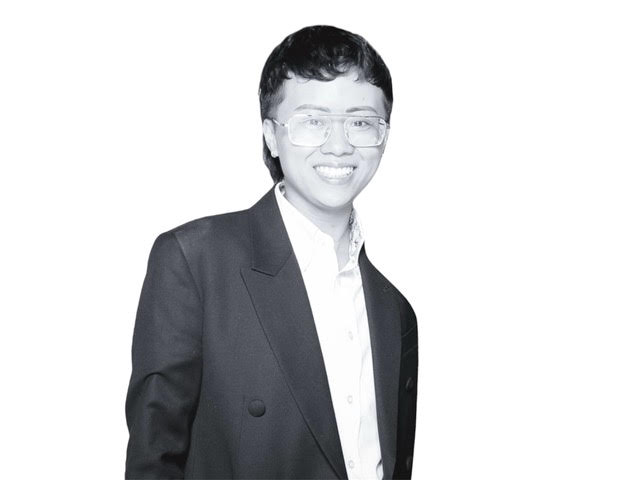 |
Thanh NguyenThanh, pronounced "tun" like the sun, (she/they), is an amateur zookeeper (with two cats and a dog), an avid foodie, and a lover of sharks. There’s not much difference between their moon sign and their thyroid: both cancer, by the way. Since March 2025, they have had no evidence of disease! Now, they advocate for adolescent and young adult cancer patients, supporters, and survivors, especially those who are 2S/LGBTQIA+ and BIPOC. Additionally, they must acknowledge Queering Cancer for providing them with a platform and for being an exceptional organization to be a part of. |
 |
Lane BonertzLane Bonertz (he/him) is Blackfoot and a proud member of Piikani Nation, using his lived experience to contribute to health research and resource development that centres Indigenous identities, cultures, and experiences. As the Associate Director of Two-Spirit Health at Community-Based Research Centre, he leads a number of initiatives around cultural revitalization and storytelling, ensuring that the stories of our ancestors exist for future generations. Lane has worked and volunteered in various roles in 2S/LGBTQIA+ advocacy, as well as HIV, HPV, and sexually transmitted and blood borne infection treatment and prevention. He has been at the helm of a number of initiatives concerning HPV and related cancers in Indigenous communities, spurring conversation around vaccination and cancer screening. Growing up in rural Alberta, Lane's approach to advocacy is influenced by his background in ranching, agriculture, and smalltown life. Lane is currently based in Montréal / Tiohtià:ke. |
 |
Dr. Amanda BolderstonDr. Amanda Bolderston (she/her) is a queer radiation therapist, educator and researcher who has worked nationally and internationally in oncology clinical, leadership and educational roles. Amanda is a Fellow, Life Member, and past President of the Canadian Association of Medical Radiation Technologists and Emeritus Editor-in-Chief of the Canadian Journal of Medical Imaging and Radiation Sciences. Her doctoral and post-doctoral research investigated the experiences of sexual and gender diverse oncology healthcare professionals and how their interactions with similarly positioned patients may improve care. Over the past decade, she has authored numerous peer-reviewed publications on affirming cancer care and contributed to the development of national and international guidelines advancing health equity. Amanda has also led the creation of interprofessional education initiatives across undergraduate, graduate, and continuing professional development programs focused on improving care for sexual and gender diverse patients. She is co-lead of the Canadian non-profit organization Queering Cancer (QC), Canada’s national organization dedicated to supporting sexual and gender diverse people affected by cancer. Amanda lives and works in Nova Scotia, which is Mi’kma’ki, the ancestral and unceded territory of the Mi’kmaq People. |
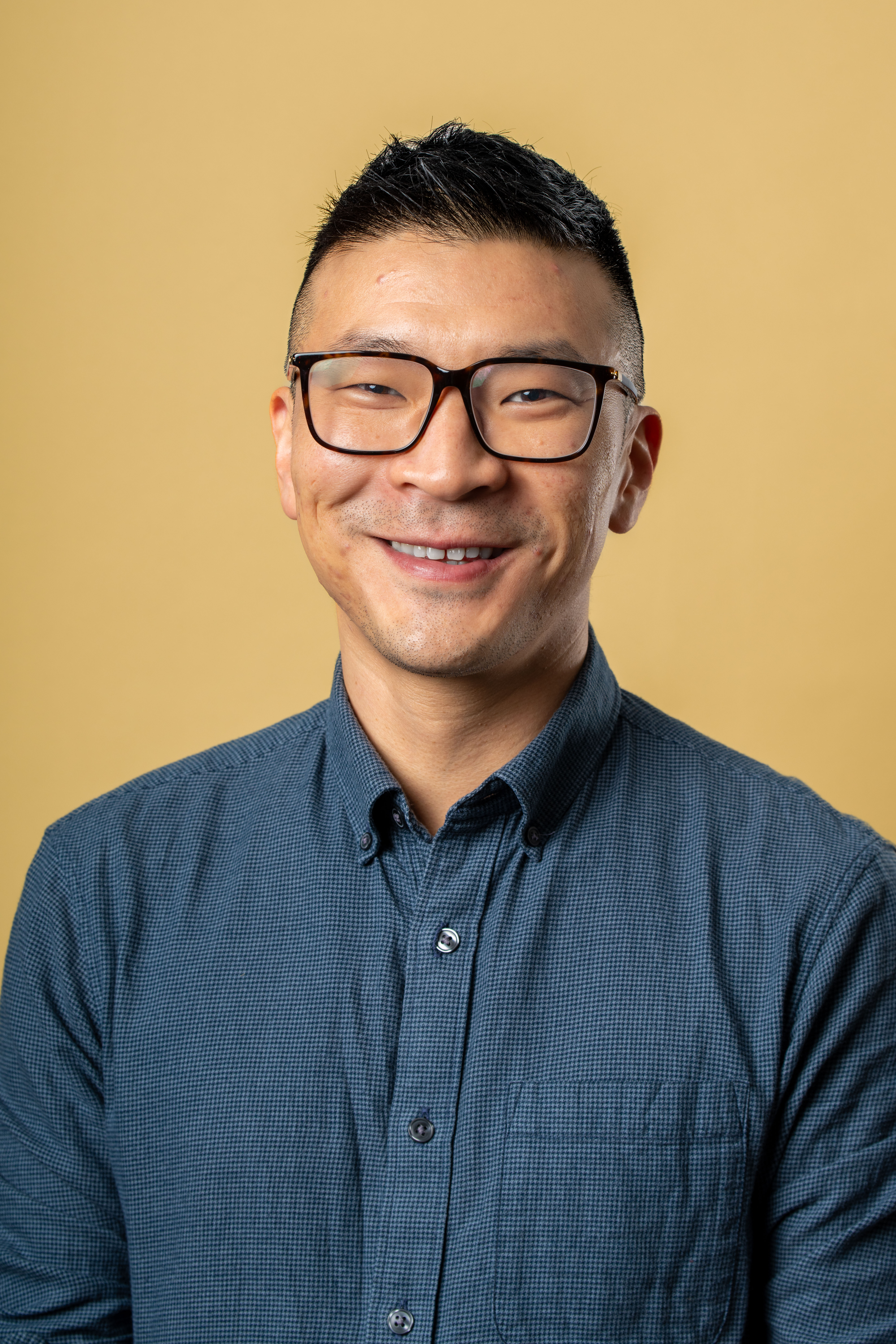 |
Michael KwagMichael Kwag (he) is the Executive Director of CBRC and is a long-time staff member who previously oversaw the organization’s communications, knowledge exchange, and policy and public affairs initiatives. He began his career in HIV and community-based research as a peer youth coordinator supporting the development of CBRC’s foundational programs including Sex Now, Summit, and Totally Outright. After several years of working in HIV and sexual health promotion through public health and other community organizations, Michael returned to CBRC in 2017 to help lead the organization’s expansion towards a national and bilingual mandate, and a more inclusive mandate in 2021 to promote the health of all 2S/LGBTQIA+ people and communities. |
KEYNOTE – The Worlds We Have Yet to Make: Critical Hope, Reparative Research, and Queer Futures
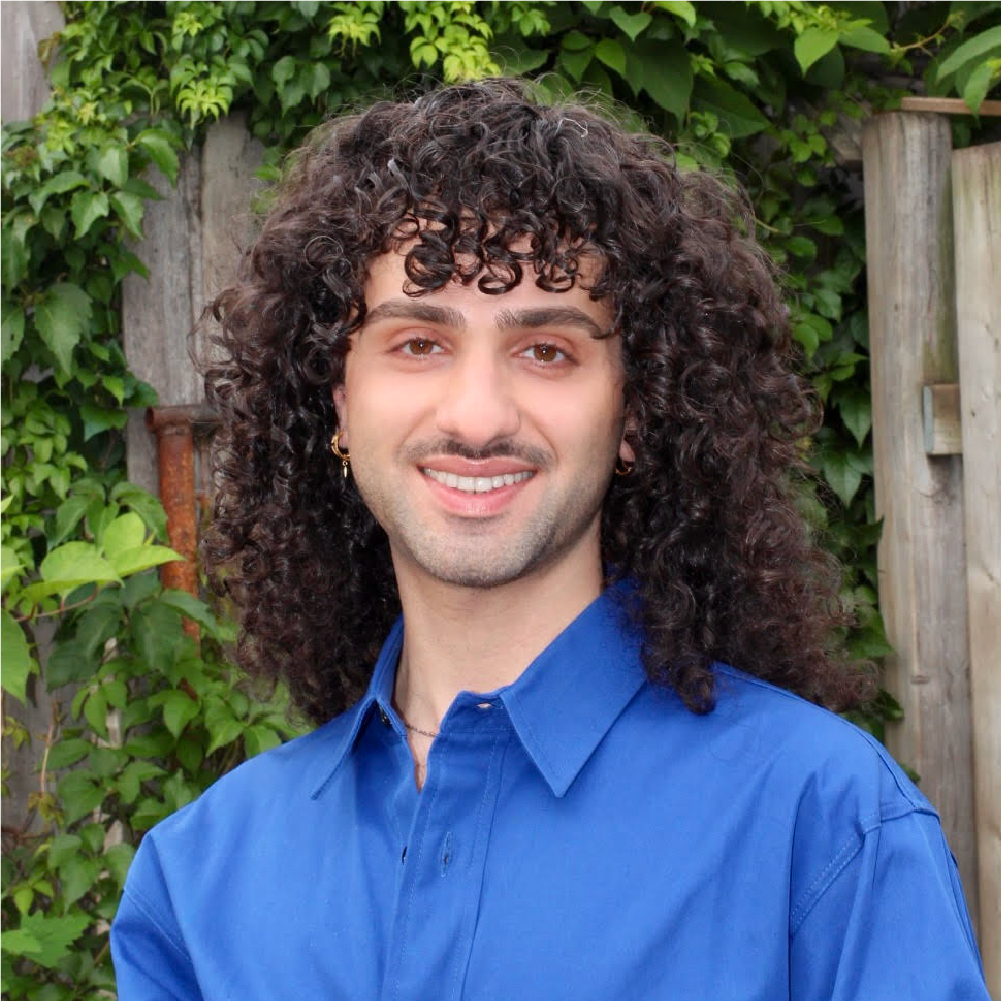 |
Jad SinnoJad Sinno, PhD, is the Director of Research at Community-Based Research Centre and an Assistant Professor at the Dalla Lana School of Public Health at the University of Toronto. They are a queer, non-binary, and Shami Arab bringing over a decade of community organizing and lived experience to their research. Jad is a social epidemiologist and critical mixed methodologist with research interests including the social and cultural determinants of health for multiply marginalized queer populations, including mental and sexual health care and human-computer interactions. |
